

Thermal Integration Guide
Overview
The Ouster lidar sensors offers an industry-leading combination of price, performance, reliability, size, weight, and power. It is designed for indoor/outdoor all-weather environments and a long operating lifetime.
The Ouster family of sensors consist of three models, the OS0, OS1, and OS2, with differing beam configuration and vertical resolution, but identical mechanical dimensions.
The contents of this manual are applicable only to Rev 06 sensors. Please contact support@ouster.io with the sensor serial number to find out your sensor Rev information. For all other sensor hardware revisions, please refer to the respective hardware user manual.
Terminology
For the purposes of this document, let us first establish some common terminology that will be used in this guide.
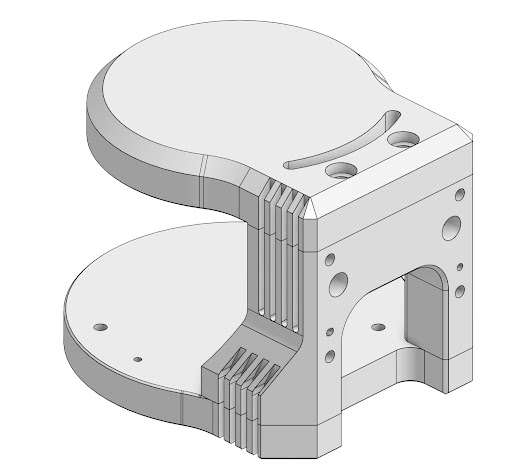
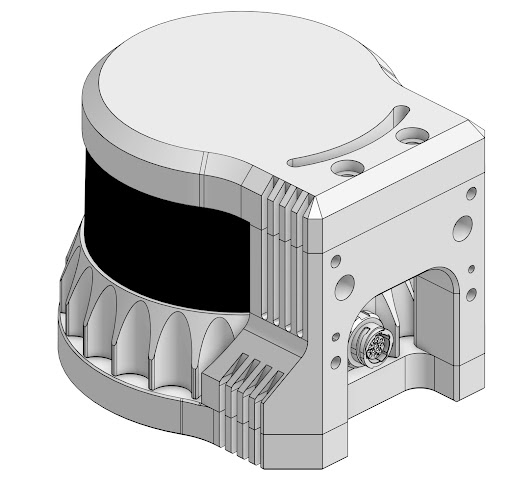
-
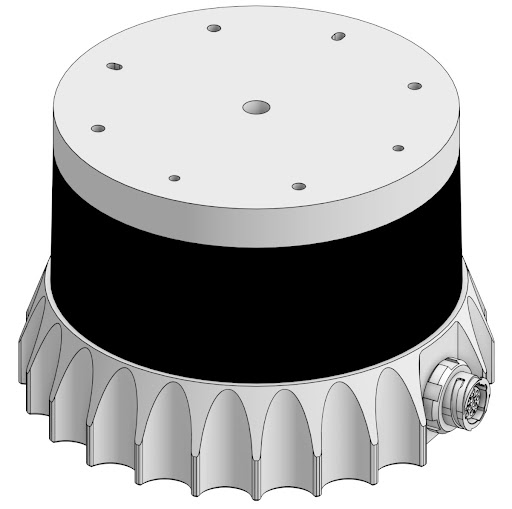
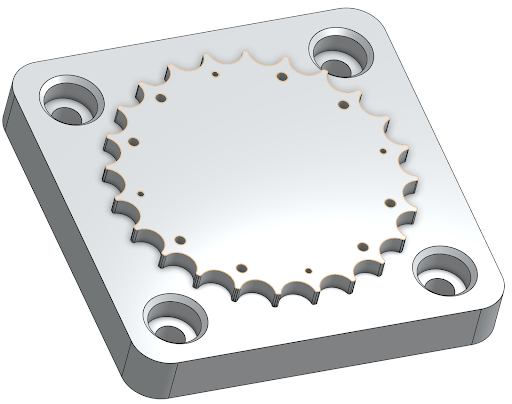
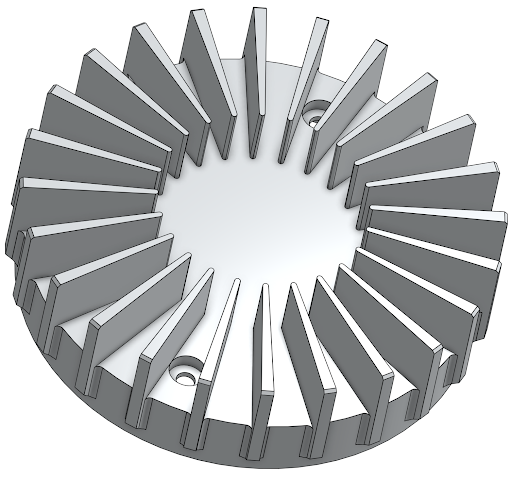
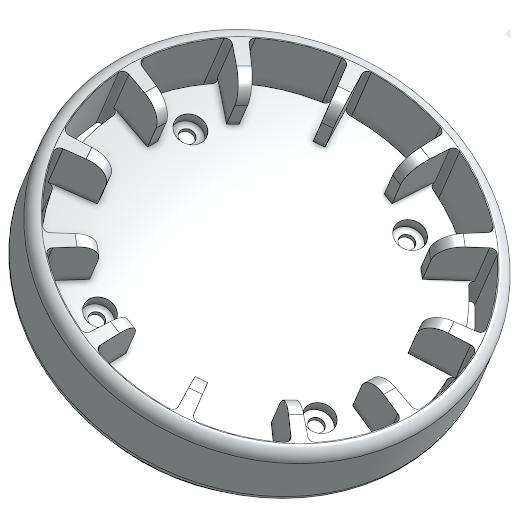
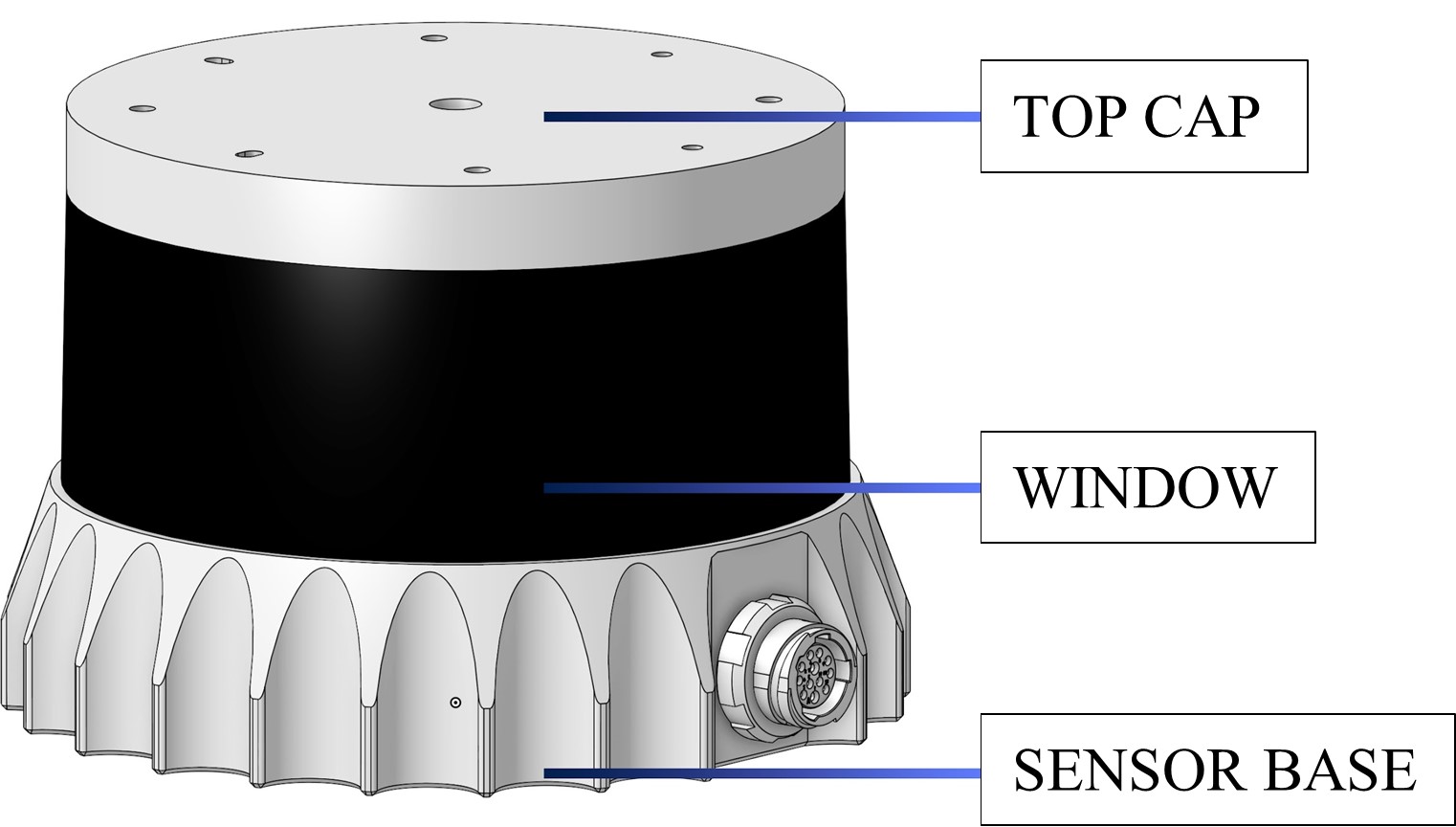
Top Cap The top of the sensor, which accepts modular heatsinks such as the Heatsink-Radial, Heatsink-Halo and has mounting features for seamless integrations.
-
Window The window through which the lasers are emitted.
-
Sensor Base The base of the sensor which has the connector mounted to it.
For the following reference tests in the Thermotron SE-1000-6-6 Environmental Chamber, our FORCED CONVECTION flow rate is 1000 cubic feet per minute (CFM). This is approximately 0.5 m/s or 1.8 km/h of air speed. The air in this chamber flows from top to bottom.